Table of contents
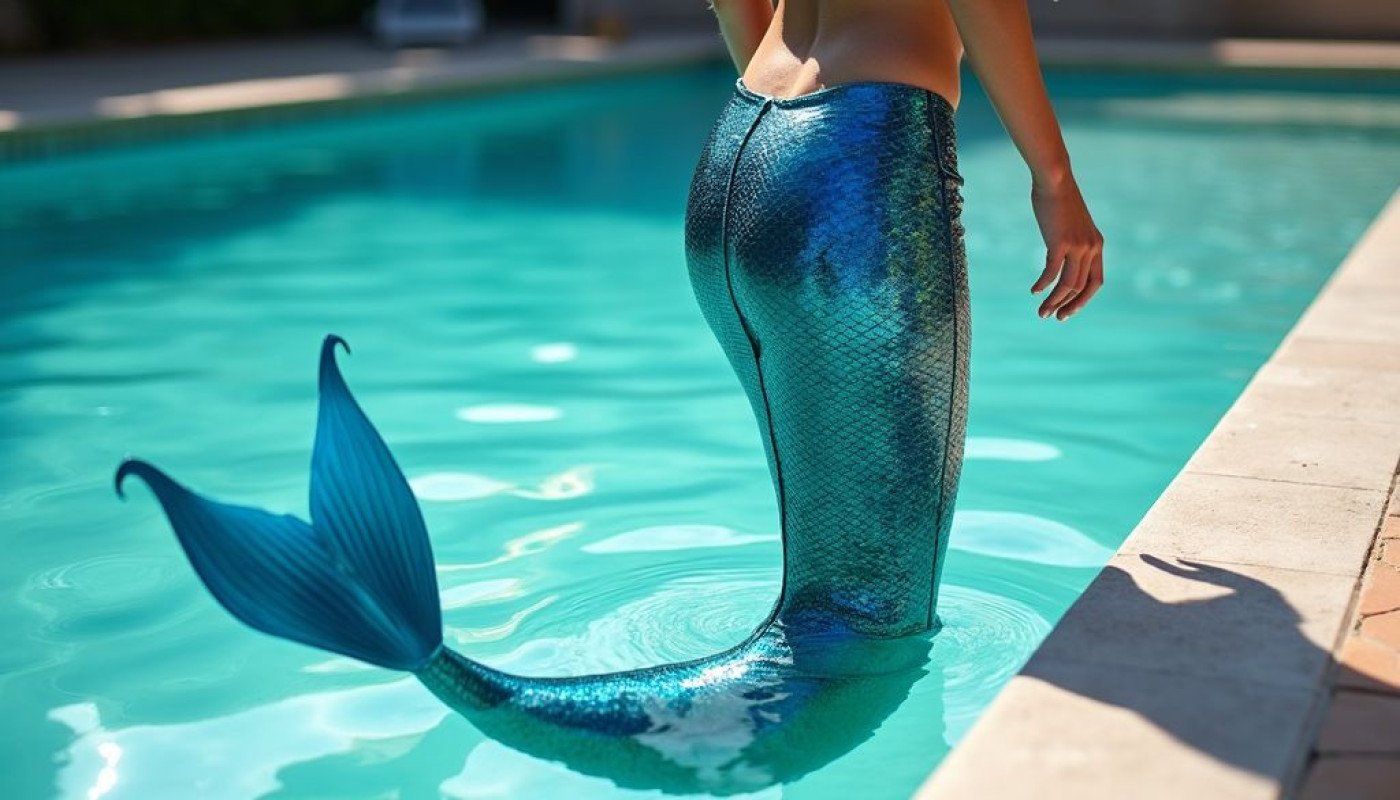
Dreaming of gliding through the water with the grace of a mythical creature? Swimming with a mermaid tail is an enchanting experience that combines beauty, fitness, and fun. To make the most of this aquatic adventure, it’s necessary to select a tail that matches your swimming skills, comfort needs, and personal style. Dive into the following paragraphs to discover how to find the perfect mermaid tail and transform your swim sessions into magical moments.
Understanding tail materials
When selecting a mermaid tail for swimming, understanding the various mermaid tail materials is vital for both performance and comfort. Silicone mermaid tails are favored by experienced swimmers for their realistic appearance, durability, and impressive hydrodynamics, yet they tend to be heavy, less flexible, and significantly more expensive. Neoprene tails offer a compromise, providing good buoyancy and moderate durability with a lighter weight, making them a popular choice for intermediate swimmers. Fabric mermaid tails, often crafted from spandex or a combination of fabric blends, are especially suitable for beginners due to their lightweight structure, comfortable fit, and easy maintenance, though they may lack the longevity and propulsion efficiency of their silicone counterparts. Each material influences how smoothly a swimmer can glide through water, with hydrodynamics playing a key role in reducing drag and enhancing speed, making the selection of a durable mermaid tail or a comfortable mermaid tail dependent on the individual's skill level and swimming goals.
For those just starting out, a fabric mermaid tail provides affordability and comfort, ideal for developing basic swimming techniques. More advanced swimmers, seeking realistic aesthetics and advanced propulsion, may prefer the investment in a silicone mermaid tail. Material flexibility, ease of movement, and weight should be carefully weighed alongside hydrodynamic properties to ensure the most enjoyable swimming experience. For anyone inspired to explore these options further and truly transform yourself into a mermaid!, visit the dedicated resource for guidance and tail selections.
Choosing the right size
Proper mermaid tail sizing is fundamental for both swimming performance and safety. To find the best fit mermaid tail, begin by measuring the waist, hips, and leg length—these three points will dictate how comfortably and securely the tail fits. Waist measurements should be taken at the narrowest point, hips at the widest, and leg length from the hip bone to the ankle. Ergonomics plays a pivotal role since a tail that is too tight can restrict movement and circulation, while one that is too loose may shift during swimming, reducing efficiency and increasing the risk of water resistance or the tail slipping off. A well-fitted mermaid tail supports smooth propulsion in the water and aids in maintaining a natural swimming position, critical for swimmer safety and overall enjoyment.
When selecting a custom mermaid tail, always consult the manufacturer’s sizing chart, as sizing can vary between brands. If measurements fall between sizes, opt for the larger option to avoid discomfort and potential safety issues. Many brands allow for some adjustability or offer custom mermaid tail options for unique body shapes. Remember, the right fit not only enhances mermaid tail safety but also boosts confidence and agility in the water, ensuring every swim is enjoyable and secure. Careful attention to these details will help achieve optimal ergonomics, making the mermaid swimming experience both safe and exhilarating.
Exploring monofin designs
When selecting a monofin for mermaid tail swimming, understanding the variety of designs available is a pivotal step toward maximizing performance and comfort. Monofin types differ primarily in blade shape, stiffness, and the construction of the foot pocket. Broad, flexible fins are typically recommended for beginners as they offer enhanced propulsive efficiency with minimal effort, making swimming smoother and reducing fatigue. In contrast, stiff, narrow blades—often favored by advanced swimmers—allow for greater speed and precise control, but demand more leg strength and skill to master. The best monofin design for you depends on your swimming experience and specific goals in the water.
Foot pocket styles also play a key role in both safety and performance. Closed-heel pockets provide increased support and minimize slipping, which is ideal for those newer to mermaid tail swimming or focused on monofin safety. Open-heel options, on the other hand, offer adjustability and are popular for swimmers seeking a custom fit or who wear neoprene socks for warmth. Each design contributes to how securely the monofin stays attached during dynamic movements, an aspect especially relevant for those practicing advanced routines or competitive swimming.
In sum, choosing the best monofin design involves balancing factors such as blade stiffness, shape, and foot pocket style against your own skill level and intended use. Beginners are often advised to seek softer, larger blades with secure, closed-heel pockets to optimize propulsive efficiency and safety, while experienced merfolk may prefer more rigid designs for sharper maneuverability. A specialist in competitive fin swimming equipment can offer guidance tailored to your ambitions, ensuring a satisfying and safe mermaid tail swimming experience.
Balancing style and function
Selecting a stylish mermaid tail involves merging your personal aesthetic with practical considerations to ensure a safe mermaid tail experience. Mermaid tail colors come in a vast array, from shimmering blues and vibrant pinks to iridescent greens, allowing every swimmer to showcase their personality. Tail patterns and scale textures not only enhance the visual impact but also contribute to visibility underwater, which is a priority for both safety and standout photos. A photogenic mermaid tail often features bold hues or unique designs that make you easily noticeable in pools, lakes, and during aquatic performances, aiding lifeguards and photographers alike.
Choosing a functional mermaid tail means assessing materials, fit, and monofin design, but these decisions do not have to be at odds with style. Opt for tails with high-contrast patterns or reflective scales to maximize both safety and visual appeal. For those interested in photoshoots or staged events, select a tail that will pop against the water’s background for unforgettable imagery. Always ensure the tail fits securely and allows for natural movement to reduce fatigue and maintain control, striking the right balance between eye-catching aesthetics and reliable performance for every aquatic adventure.
Evaluating safety features
When selecting a mermaid tail for swimming, prioritizing mermaid tail safety is vital to avoid accidents in both pools and open water. Key features to consider include a quick-release mermaid tail design, which allows the swimmer to exit the tail rapidly in emergencies. Reinforced stitching enhances durability and prevents splitting during vigorous activity, while non-slip materials on the fin and foot pocket help maintain secure footing and reduce the risk of slipping on wet surfaces. For those purchasing a child-safe mermaid tail, look for models that meet established mermaid tail guidelines and have been reviewed by a certified aquatic safety instructor. Ensuring safety compliance is not just a recommendation but a necessity for all users; manufacturers that adhere to recognized standards in safe swimming tail production can provide greater confidence for both new and experienced swimmers. By considering these technical aspects, swimmers maximize enjoyment and minimize hazards associated with mermaiding activities.
Similar articles
How Does Wearing A Shaping Garment Boost Self-confidence?

Exploring The Impact Of Early 2000s Fashion Trends On Modern Streetwear

Exploring The Influence Of Samurai Culture On Modern Fashion

Exploring The Convenience And Styles Of Nail Stickers For Effortless Manicures

Exploring The Impact Of Social Media On Urban Fashion Trends

The Influence Of Jamaican Culture On Beach Fashion Trends
