Table of contents
Dive into the fascinating world where nostalgia meets innovation by exploring how early 2000s fashion trends continue to shape today’s streetwear. This journey not only highlights the undeniable influence of past aesthetics but also reveals how modern interpretations breathe new life into legacy styles. Discover how the echoes of the past are brilliantly woven into the fabric of contemporary urban culture, inspiring fashion enthusiasts and trendsetters alike to keep reading.
The resurgence of Y2K aesthetics
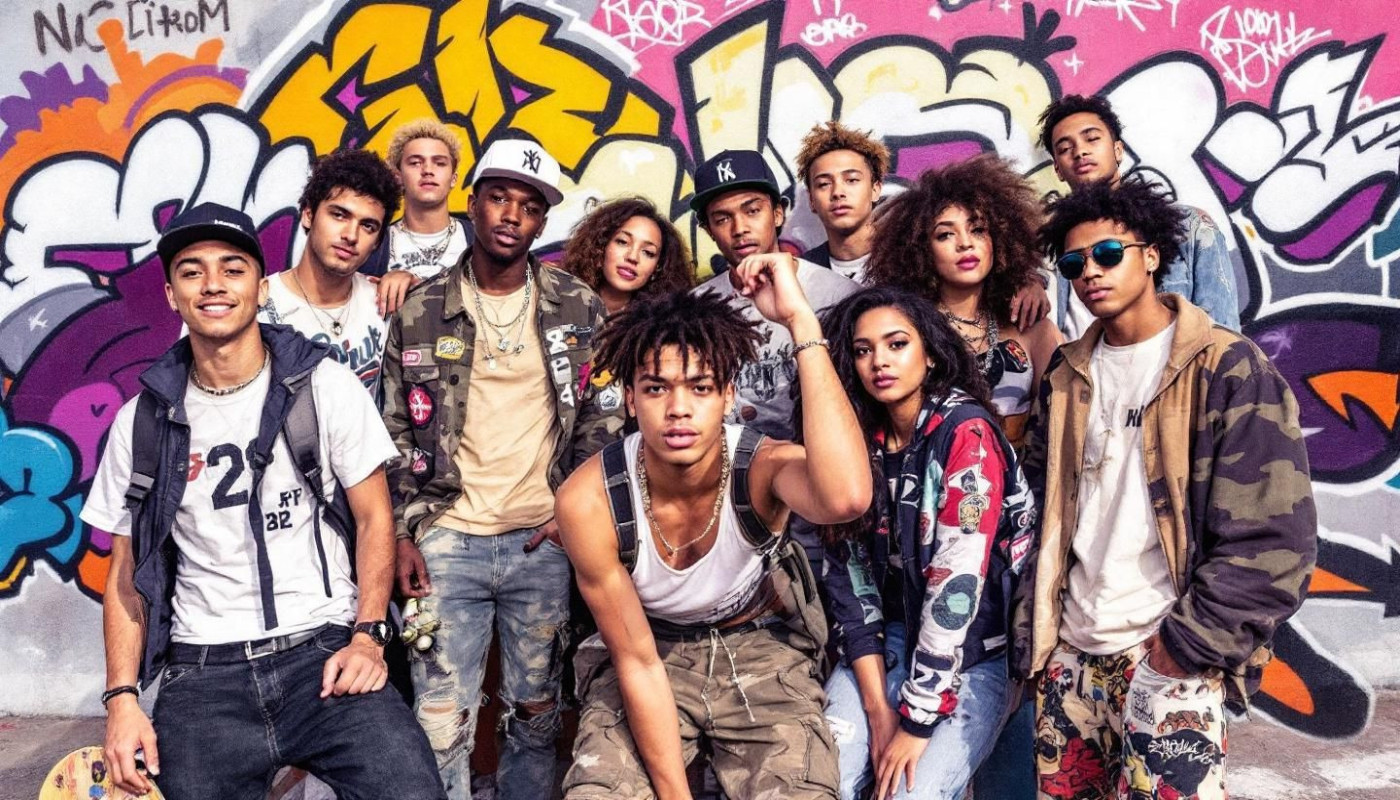
Y2K fashion has become a defining force behind the streetwear resurgence, channeling the iconic visual identity of the early 2000s into modern urban culture. Designers are increasingly drawing from a palette of bold colors, metallic finishes, and playful accessories like chunky sneakers, logo-heavy belts, and whimsical sunglasses, all hallmarks of nostalgic styles. These elements collectively create a dynamic and expressive visual language that sets today’s streetwear apart from previous decades.
Pop-culture-inspired designs, such as graphic tees emblazoned with cartoon characters or mashups of retro logos, further emphasize the connection to early 2000s trends. Modern brands reinterpret these motifs, blending them with contemporary cuts and sustainable materials, to appeal to style-conscious consumers seeking both innovation and familiarity. This approach not only rejuvenates classic looks but also infuses streetwear with a sense of fun and irreverence that defined the Y2K era.
For younger generations, the revival of nostalgic styles offers both a sense of novelty and a comforting link to the past. Social media platforms amplify this trend, with influencers and artists showcasing vibrant, unconventional silhouettes that celebrate individuality. The interplay between digital culture and physical fashion has cemented Y2K fashion as a mainstay in modern urban culture, signaling that these early 2000s trends are more than a passing fad. Instead, they form the backbone of a new, self-aware streetwear movement.
This authentic embrace of Y2K aesthetics highlights how fashion cycles evolve while retaining core aspects of their original visual identity. By merging nostalgia with forward-thinking design, today’s streetwear brands successfully bridge generational gaps, ensuring that the influence of early 2000s fashion on modern urban culture persists as a vital and ever-evolving force in global style.
Baggy fits and relaxed silhouettes
The silhouette evolution seen in contemporary clothing draws heavily from the early 2000s influence, where the transition from fitted garments to baggy streetwear began to redefine mainstream fashion. During that era, oversized jeans, wide-legged trousers, and generous hoodies dominated urban style, breaking away from the slimmer profiles of the late 90s. This shift marked a clear preference for relaxed silhouettes, not only making a statement of comfort fashion but also serving as a form of rebellion against mainstream trends. Today’s streetwear continues this legacy by reinterpreting these shapes with modern materials and updated design sensibilities, resulting in a blend of nostalgia and innovation that appeals to a new generation.
Modern enthusiasts embrace baggy streetwear both for its undeniable comfort and its ability to reflect individuality. Relaxed silhouettes allow for greater movement and versatility, aligning with the prioritization of self-expression in contemporary clothing. Brands now experiment with proportions, layering, and fabric technology to create pieces that are adaptable and visually striking. The technical progression from early 2000s influence to present-day silhouettes showcases a dynamic interplay between heritage and forward-thinking design, illustrating how comfort fashion has become a defining characteristic of the streetwear landscape. This journey underscores the impact that early trends continue to have on the ways people present themselves through style and attitude today.
Layering and statement accessories
Layering trends from the early 2000s significantly shape contemporary streetwear styling, offering a platform for creative expression and individuality. Utilizing multiple garments—such as tank tops over long sleeves, zip-up hoodies beneath oversized jackets, and visible underlayers—creates depth and a dynamic silhouette. This approach to styling techniques encourages personalization in fashion, allowing wearers to mix textures, colors, and proportions that echo iconic early 2000s looks. Statement accessories also play a pivotal role, with chunky belts, bold sunglasses, and eye-catching jewelry enhancing visual impact and further distinguishing each outfit. Together, these elements foster a sense of authenticity and self-expression central to modern streetwear culture.
Personalization through layering and statement accessories directly mirrors the experimental spirit celebrated in early 2000s fashion. Today’s streetwear styling often borrows from this era, adapting its playful mix-and-match ethos with updated materials and contemporary fits. Shoppers seeking to incorporate these influences can explore curated collections from specialized retailers, such as reference, which showcase items that bridge the gap between nostalgia and current trends. This ongoing evolution underscores how early 2000s looks continue to inspire fresh interpretations, ensuring their relevance within today’s fashion landscape.
Logomania and graphic influences
The resurgence of logomania and graphic streetwear has marked a significant shift in today’s visual branding strategies, drawing deep inspiration from the early 2000s. During that period, oversized logos, bold prints, and expressive motifs dominated both high fashion and everyday wear, serving as status symbols and vehicles for identity expression. This same energy is unmistakably present in current streetwear, where graphic application techniques have become increasingly sophisticated, allowing for sharp, high-impact visuals that immediately capture attention. Designers are once again embracing early 2000s inspiration, using these elements not just for nostalgia but to construct a strong sense of belonging and individuality among wearers.
Brands now utilize large-scale logo placements and statement graphics as a means of reinforcing both heritage and contemporary relevance. The scale and placement of logos have evolved; while early logomania often favored repetition and all-over coverage, modern adaptations tend to focus on strategic, single-point branding or playful reinterpretations. This fusion of legacy and innovation amplifies brand recognition, making it easier for consumers to affiliate themselves with labels and communities through easily identifiable, graphic streetwear pieces. The transformation of bold prints from mere decoration to core branding elements underscores the changing dynamics of visual branding in the streetwear sector.
Graphic influences from the early 2000s have shown remarkable endurance due to their ability to communicate messages instantly and powerfully. As fashion cycles continue to revisit past aesthetics, the technical mastery of graphic application—whether through screen-printing, embroidery, or digital methods—ensures that bold prints remain at the forefront of streetwear innovation. This ongoing integration of graphic elements not only connects modern consumers with iconic moments from fashion history but also solidifies the role of visual storytelling in shaping personal and collective identity within the contemporary streetwear scene.
Influence of music and subcultures
The interplay between early 2000s music scenes and youth subcultures has left a lasting mark on current streetwear subcultures, creating a dynamic foundation for urban identity. Hip-hop, pop-punk, and electronic genres not only shaped auditory landscapes but also curated distinctive aesthetics that permeated mainstream youth trends. Baggy jeans, bold graphics, and athletic sneakers—staples of early 2000s fashion—were originally adopted by fans and followers striving to visually align with their musical idols, reinforcing a sense of belonging within specific urban communities. This cultural synergy established a feedback loop, where the styles circulating in underground clubs, skate parks, and music venues were reinterpreted by designers, and then reintegrated into broader streetwear movements.
Today, the music influence on streetwear remains vital, as collaboration between artists and fashion brands accelerates style innovation and authenticity. Contemporary urban fashion continues to draw on the codes set by early 2000s fashion pioneers, sustaining a dialogue between past and present. The evolution of streetwear subcultures reflects a nuanced negotiation of cultural identity, where apparel choices serve as visual markers of personal and collective allegiance. In sum, the ongoing convergence of music, youth trends, and style not only celebrates nostalgia but also propels urban identity forward, ensuring that the spirit of early 2000s subcultures continues to inspire and define the aesthetic boundaries of modern streetwear.
Similar articles

How Does Wearing A Shaping Garment Boost Self-confidence?

How To Choose The Perfect Mermaid Tail For Swimming?

Exploring The Influence Of Samurai Culture On Modern Fashion

Exploring The Convenience And Styles Of Nail Stickers For Effortless Manicures

Exploring The Impact Of Social Media On Urban Fashion Trends

The Influence Of Jamaican Culture On Beach Fashion Trends
