Table of contents
Discover how the enduring legacy of samurai culture continues to shape the world of modern fashion. Uncover the hidden connections between ancient Japanese warriors and today's clothing trends, from structure to symbolism. Delve into the fascinating ways samurai influence is woven into contemporary design, and prepare to be inspired by the timeless elegance and innovation that result from this powerful cultural exchange.
Origins of samurai style
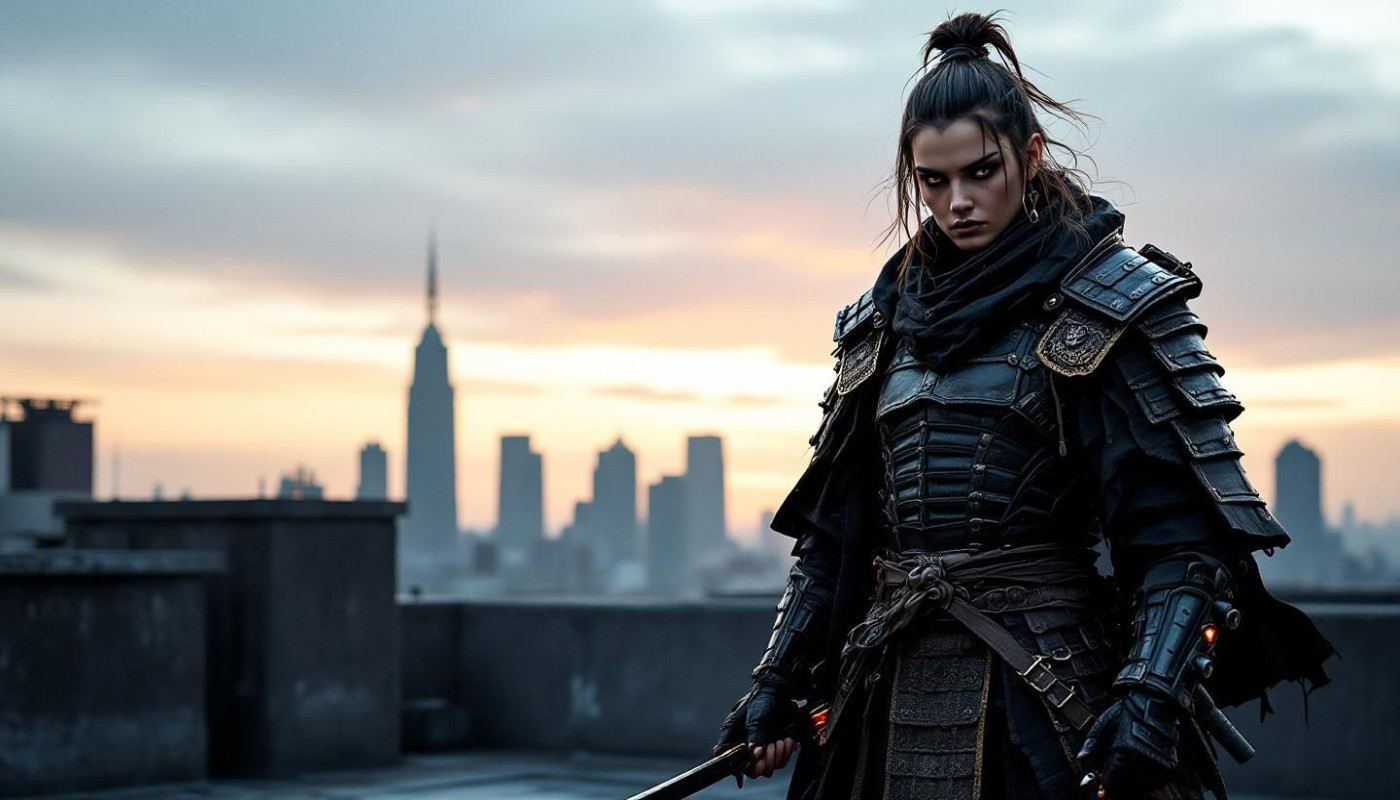
Samurai clothing and armor have left an indelible mark on traditional Japanese attire and have become a source of endless inspiration for contemporary designers worldwide. The technical construction of yoroi, the famed samurai armor, combined protective ingenuity with an artistic sensibility, incorporating layered silk garments, lacquered plates, and intricate lacing that signified not just readiness for battle but also social status and clan identity. Each element, from the billowing hakama trousers to the scaled do-maru cuirass, reflected an advanced understanding of both form and function, anchoring a fashion history where every detail held symbolic weight. The samurai's choice of colors, family crests (mon), and even the arrangement of their attire underscored a philosophy in which outward appearance conveyed inner discipline, loyalty, and rank.
This warrior influence continues to echo in modern fashion, with designers borrowing from the samurai's layered silhouettes, wide sashes, and structured lines to create bold, contemporary statements. Armor inspiration is especially evident in streetwear and avant-garde collections, blending historical reverence with urban aesthetics. Those seeking to incorporate elements of this enduring style into their wardrobe can explore a variety of options through authentic retailers such as click now, where traditional Japanese attire and modern interpretations coexist, offering a tangible connection to the sartorial legacy of the samurai.
Key motifs and symbolism
Samurai motifs hold a distinctive place in modern fashion, as designers frequently draw inspiration from kamon, the heraldic crests used by samurai families. These intricate designs, often incorporating elements such as cranes, dragons, and cherry blossoms, convey messages of strength, loyalty, and resilience. In contemporary clothing and accessories, kamon are reinterpreted through embroidery, prints, and metalwork, transforming traditional Japanese symbols in fashion into globally recognized statements. Warrior patterns like stylized waves, clouds, and armor textures also make appearances, echoing the aesthetics of ancient battle garments while infusing modern collections with a sense of history and gravitas.
The emotional resonance of these cultural symbols extends beyond their visual appeal. For many fashion enthusiasts, wearing crest design or garments adorned with samurai motifs signifies an appreciation for the discipline, honor, and artistry associated with the warrior class. Japanese symbols in fashion not only preserve the legacy of samurai culture, but they also allow individuals to express personal values and identities rooted in courage and tradition. This ongoing dialogue between heritage and innovation ensures that the impact of samurai culture remains woven into the very fabric of modern style.
Modern reinterpretations
Contemporary designers continue to find inspiration in samurai culture, with samurai-inspired fashion emerging as a distinctive and innovative trend. By reimagining the flowing lines and structured forms of the traditional haori, creators craft modern kimonos and jackets that blend classic Japanese aesthetics with cutting-edge silhouettes. Designers often select luxurious fabrics such as silk, wool, or technical blends reminiscent of the materials once favored by warriors, ensuring a tactile and visual connection to the past. Meticulously placed details like wide obi-style belts, layered closures, and bold, contrasting sashes pay homage to armor while serving a functional role in today’s garments.
This fashion fusion reflects a dialogue between eras, as contemporary design incorporates the clean lines, asymmetrical cuts, and restrained color palettes typical of samurai attire. Runway collections showcase garments that merge utility with elegance, echoing the practicality of warrior dress while emphasizing modern sensibilities. By referencing elements such as the haori’s boxy shape, oversized sleeves, and intricate fastenings, designers create pieces that resonate with both tradition and innovation. The creative process involves careful study of historical patterns and techniques, recontextualized for present-day wearers, ensuring that Japanese aesthetics continue to influence and enrich the global fashion landscape.
Functional elegance in design
Samurai armor, renowned for its intricate construction and adaptability, continues to inspire the landscape of functional fashion. Traditional garments, particularly those incorporating kusari—interlinked iron rings forming flexible mesh—offered both maneuverability and protection, serving as an innovative model for practical design in modern utility wear. Today, designers frequently blend these principles into contemporary apparel, creating pieces that prioritize movement, durability, and comfort without sacrificing style. Features such as modular layering, adjustable fastenings, and breathable technical fabrics echo the versatile qualities once found in samurai attire, reinforcing the deep samurai armor influence on urban outerwear and performance clothing.
This synthesis of utility and elegance reflects a broader warrior style ethos, where aesthetically pleasing designs are matched by thoughtfully engineered functionality. Garments inspired by samurai culture often present a seamless balance between protection and sophistication, as seen in tailored cuts that allow unrestricted motion alongside hidden reinforcements or weather-resistant finishes. By integrating these elements, modern functional fashion appeals to individuals seeking clothing that adapts to diverse environments while maintaining a polished, fashion-forward appearance.
The enduring impact of kusari and other samurai innovations underscores the continuing relevance of practical design in today’s clothing industry. Emphasizing versatility and ease of movement, contemporary pieces draw from historical precedents to enhance everyday experiences. As a result, modern utility wear not only embodies the strength and resilience of its warrior predecessors but also elevates the wearer’s sense of confidence and comfort, reinforcing the timeless connection between heritage craftsmanship and functional elegance.
Cultural legacy and global influence
Samurai culture, rooted in the philosophical and ethical code of bushido, has left a lasting imprint not only within Japan but also across global fashion trends. Designers from diverse backgrounds continually draw on the visual language of the samurai—such as structured silhouettes reminiscent of armor, kimono-inspired garments, and the symbolic use of motifs like the crane or cherry blossom—to infuse collections with Japanese influence and traditional inspiration. This ongoing cultural exchange reflects a dynamic dialogue: on one hand, it enables the worldwide appreciation of samurai legacy, fostering creativity and respect for time-honored craftsmanship; on the other, it raises questions about appropriation when traditional symbols are recontextualized without understanding their deeper meaning. As such, the interplay between tradition and innovation in fashion highlights the responsibility of designers to honor cultural origins, ensuring that the influence of bushido remains a source of inspiration while promoting genuine respect within the industry.
Similar articles

How Does Wearing A Shaping Garment Boost Self-confidence?
Exploring The Impact Of Early 2000s Fashion Trends On Modern Streetwear
How To Choose The Perfect Mermaid Tail For Swimming?

Exploring The Convenience And Styles Of Nail Stickers For Effortless Manicures

Exploring The Impact Of Social Media On Urban Fashion Trends

The Influence Of Jamaican Culture On Beach Fashion Trends
